
Believe it or not, media disinformation and misinformation is not new, and the remedy to it has been tried before. In fact grass roots feedback has guided the government in the past in much the same way as the 1832 Club is proposing today. The good news is that it worked.
Just before World War II the government recognized that it was not getting reliable information from the media about public morale and how or if people were coping with the war conditions. This understanding led to a highly successful initiative called Mass Observation.
The Ministry of Information set-up a nation-wide feedback exercise that gathered observations, interviews, questionnaires, diaries, and other materials to record everyday life in Britain. Ahead of its time, Mass Observation enabled the participants to write about whatever issue concerned them, rather than constrain them with surveys and questionnaires so loved by government bureaucrats.
The government used mass Observation to adjust government policy
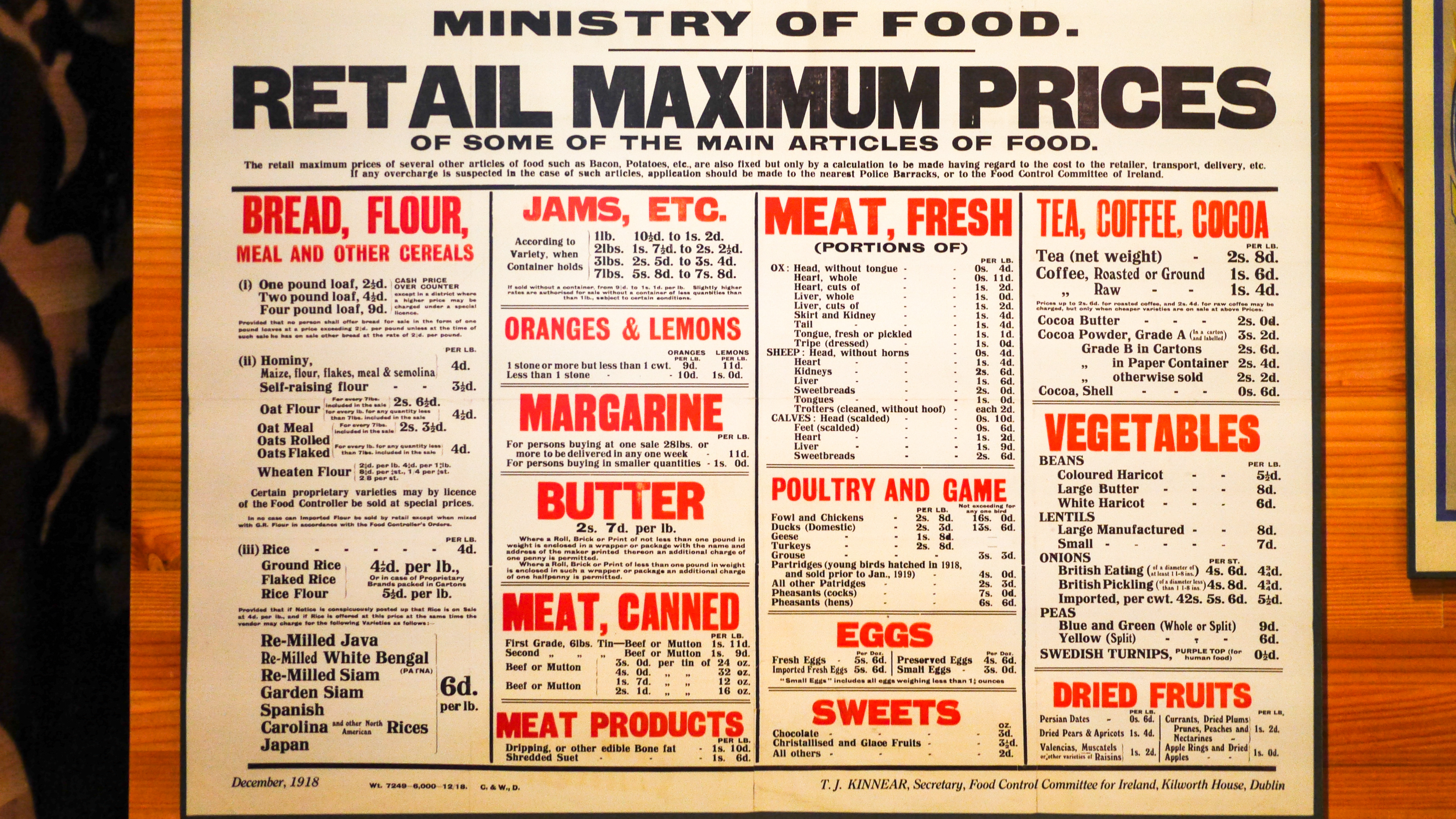
This free-thinking method meant that the feedback provided deep insights into the public’s experiences and feelings about a range of factors including air raids, war work, food prices and rationing. The exercise also learned about people’s attitudes towards the conduct of the war, the leaders and propaganda campaigns.
The net result was that the government found the Mass Observation invaluable to assess public opinion and so adjust their domestic policies.
Eighty years on and here we are again.
Eighty years on and here we are again, only this time it is us who can’t trust the Corporate Media to provide a reliable guide to us about what is going on in the economy or in society at large. And we can’t trust the government to act in our interests either. This is why the 1832 Club is setting up a national feedback exercise focused on the SME sector.
Our objective is to gather rigorous and honest feedback from our members. Then use this to present to government bodies and political parties an accurate representation of the challenges and experiences faced by SME business leaders.
Policy collaboration and advocacy
However, this time we are going one stage further. Once we have collected the real time data, members will collaborate in the development of policy ideas to tackle the issues exposed by the ‘mass observation’. These policies will be put to local Parliamentary candidates and MPs as well as being recommended to the national political party organizations, trade associations, relevant government departments and so on. But that is not all ….
Monthly subscriptions used to sponsor candidates
We want to give our policy ideas a push as well.
A powerful element of our 1832 club is that 50% of the membership subscription is donated to preferred local candidates to help them get elected. By ‘preferred’ we mean that the candidates are selected by the members at branch level not by someone at head office.
This sponsorship idea gives our club members some leverage. We don’t just want to put our policies forward but compete with the larger corporate and international donors to hold politicians to account at local level.
 Giving our members a voice to big government
Bluntly, if the politicians want continued sponsorship they will need to be sensitive to the issues bought to them by the SME sector, just like the government was sensitive to people’s problems in war time.
As we all know, at the moment the government are far too sensitive to the needs and wants of big business and international NGOs and entities like the WEF. But with sponsorship of local candidates by local businesses we want to redress the balance and give our members a voice in government.